Understanding Building Permits and Regulations

Embarking on a construction project involves a complex web of legal requirements that ensure safety, structural integrity, and compliance with local standards. Building permits are not merely bureaucratic formalities; they are essential mechanisms that protect property owners, occupants, and the broader community. Understanding how to navigate these requirements is crucial for any construction endeavor, whether it is a residential renovation or a commercial development.
This article provides a detailed overview of building permits and regulations, focusing on the processes, documentation, and considerations involved. By clarifying the steps and principles, we aim to equip property owners and project managers with the knowledge needed to approach permitting with confidence. The content is structured to offer practical insights into the application process, building codes, inspections, and common pitfalls that can lead to fines and delays.
The Purpose and Scope of Building Permits
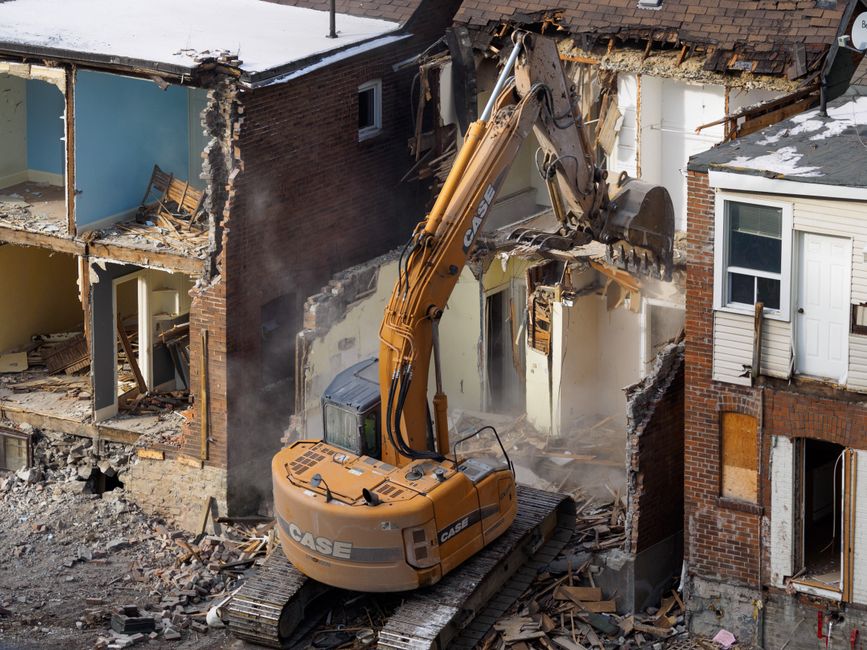
Building permits serve as official approval from local government authorities to proceed with construction, alteration, or demolition of a structure. Their primary purpose is to ensure that any building work meets minimum safety standards, zoning requirements, and public health regulations. Permits also allow authorities to verify that the work aligns with approved plans and that qualified professionals are involved where required.
The scope of building permits varies widely depending on the jurisdiction and the nature of the project. Typically, permits are required for new buildings, additions, structural alterations, electrical and plumbing work, and significant renovations. However, minor repairs or cosmetic changes may be exempt, but the definitions of what constitutes a minor change differ by locality. It is essential to check with the local building department to determine if a permit is needed for a specific project.
Beyond legal compliance, permits offer indirect benefits. They create a documented trail of the work done, which can be valuable when selling a property or making future modifications. Additionally, the inspection process that accompanies permits helps identify potential issues early, potentially preventing costly problems down the line.
Navigating the Permit Application Process
The permit application process typically involves several steps, starting with the preparation of detailed plans and documentation. Applicants must submit architectural drawings, structural calculations, and site plans that show the proposed work in relation to property lines and existing structures. Some jurisdictions may also require energy compliance forms, flood zone verification, or environmental assessments, depending on the location.
Once submitted, the building department reviews the application for compliance with building codes, zoning ordinances, and other regulations. The review process may involve multiple departments, including planning, fire, and public works, each providing feedback. The time for review varies from a few days to several weeks, depending on the complexity of the project and the workload of the department.
During the review, applicants may be asked to revise and resubmit plans to address deficiencies. Clear communication with the reviewers is key to minimizing delays. After approval, the permit is issued, and construction may begin. But the process does not end there; most jurisdictions require inspections at various stages of construction to ensure the work is progressing according to the approved plans.
Understanding Building Codes and Regulations
Building codes are sets of regulations that specify the minimum standards for construction, covering structural integrity, fire safety, egress, accessibility, and energy efficiency. These codes are adopted at the state or local level and are typically based on model codes, such as the International Building Code (IBC) or International Residential Code (IRC), with local amendments. Compliance with these codes is mandatory for obtaining a permit and passing inspections.
The codes are updated periodically to reflect advances in materials, techniques, and safety research. Therefore, it is important for designers and contractors to stay informed about the current codes applicable to their project. Zoning regulations, on the other hand, control land use, building setbacks, height limits, and sometimes aesthetic aspects. They are distinct from building codes but often are reviewed in the same permit process.
Property owners should be aware that regulations extend beyond the initial construction. Some localities have ongoing requirements, such as occupancy permits or certificates of occupancy, that must be obtained before a building can be used. Familiarity with these requirements helps avoid last-minute complications.
Common Requirements and Documentation
Documentation is at the heart of the permit application. Standard requirements typically include:
- Completed application form with property owner information and project details.
- Site plan showing the property boundaries, existing structures, and proposed changes.
- Architectural drawings or plans, often drawn to scale, showing floor plans, elevations, and sections.
- Structural details, especially for work that affects the load-bearing elements.
- Proof of ownership or a notarized letter of authorization from the property owner if the applicant is not the owner.
- Contractor licenses, if work is to be performed by a licensed contractor, as required by state law.
- Payment of fees, which are typically based on the valuation of the work.
In addition to these, some jurisdictions may require energy compliance forms, such as those showing calculations for insulation or window performance. Historic districts often have additional design review requirements. It is advisable to consult with the local building department early to confirm the exact list of documents needed.
Electronic submission is becoming more common, and many municipalities offer online portals for submitting applications and tracking progress. This can simplify the process and reduce in-person visits.
Inspections and Compliance
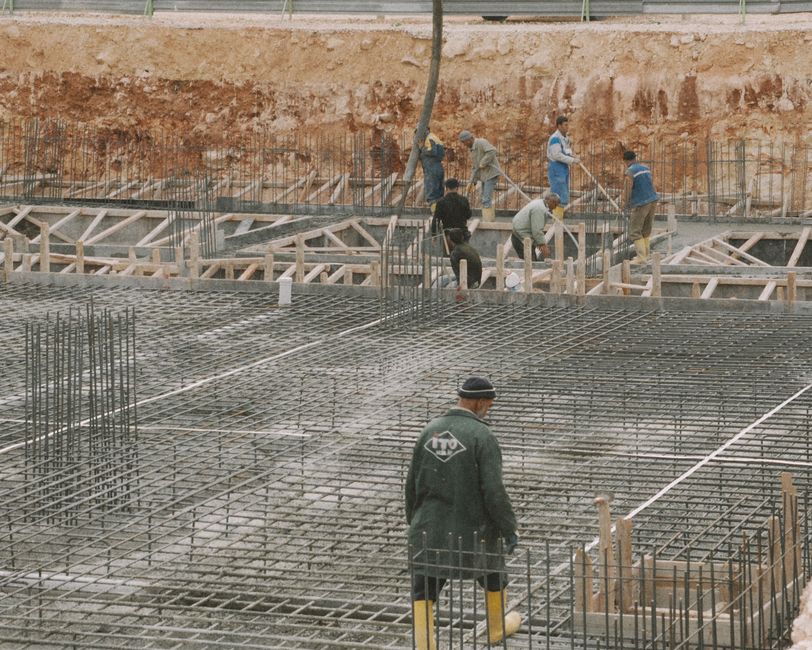
Inspections are scheduled at certain stages of construction to ensure that the work complies with the approved plans and applicable codes. Typical inspection points include foundation, framing, electrical, plumbing, and final inspection. The purpose of these inspections is to catch any non-compliance early, which can prevent more extensive corrections later.
The frequency and timing of inspections vary by project and jurisdiction. Usually, the permit holder or contractor contacts the building department to schedule an inspection when the work is ready. The inspector will review the work and may require corrections to be made before proceeding. It is important to allow sufficient time for inspections, as delays in scheduling can impact project timelines.
If an inspection reveals deficiencies, it is common practice to provide a period to correct them and then request a re-inspection. Failure to pass inspections can lead to stop-work orders and fines. Therefore, it is prudent to ensure that all work is performed in accordance with the approved plans and that any deviations are reported to the building department.
Avoiding Pitfalls: Fines and Delays
Construction projects can encounter various obstacles that lead to fines and delays if not managed carefully. One of the most frequent pitfalls is starting work without obtaining the necessary permit. This can result in substantial fines, a stop-work order, and even the need to undo completed work.
To avoid such issues, it is critical to verify that all required permits are in place before any construction begins. Even if the project is started by a contractor, the property owner is often ultimately responsible for permit compliance. Engaging a qualified professional who understands local regulations can mitigate risks.
Another common source of delay is incomplete or inaccurate documentation. Spending time ensuring that plans are thorough and meet all requirements can prevent back-and-forth with the building department. Additionally, being proactive about inspections and communicating with inspectors can help keep the project on schedule. By taking these steps, property owners can minimize the likelihood of fines and keep their projects moving smoothly.
Remember: building regulations exist to protect public safety. Navigating them with diligence is a sign of responsible construction practice.
Conclusion
Understanding building permits and regulations is an essential aspect of any construction project. This article has outlined the purpose of permits, the application process, building codes, documentation requirements, inspections, and common pitfalls. By approaching the process with thoroughness and attention to detail, property owners and contractors can navigate the legal landscape effectively, ensuring that their projects proceed without unnecessary complications.
While this guide provides a comprehensive overview, regulations can vary significantly by locality and project type. It is always advisable to consult with local building officials or a professional for specific guidance. With the right knowledge and preparation, the permitting process can be a manageable aspect of bringing a construction vision to life.