Construction Technologies and Methods
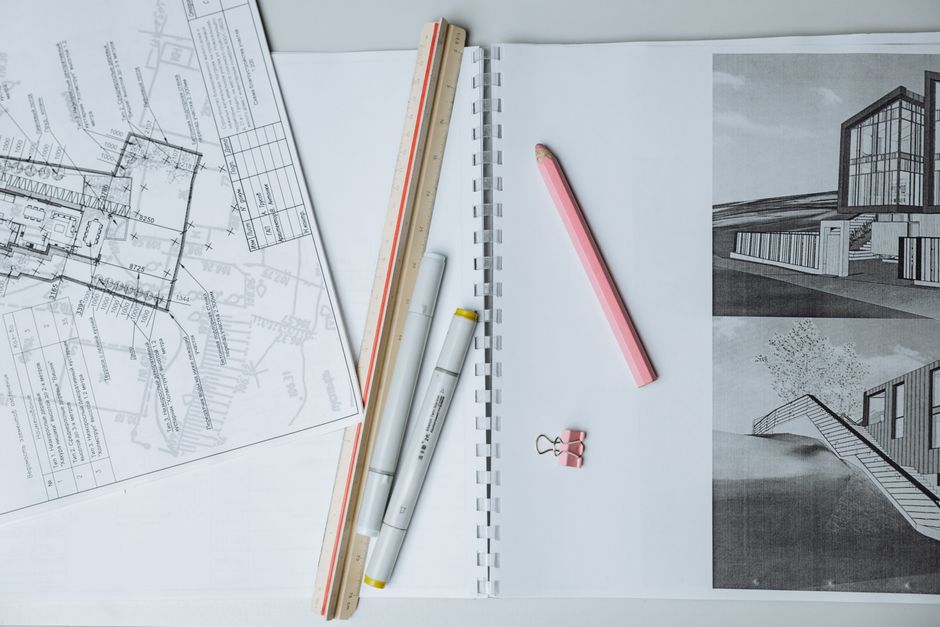
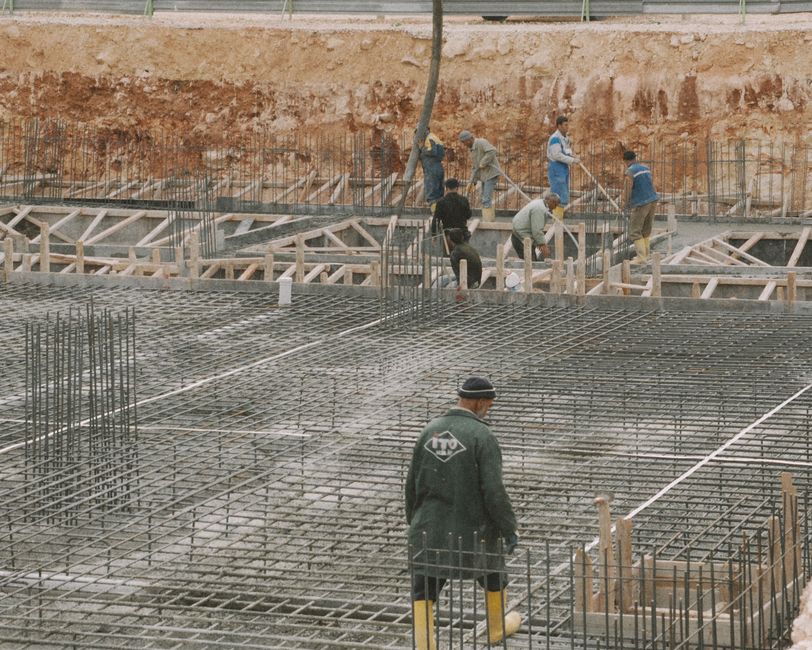
Modern construction incorporates a range of technologies that affect how projects are planned and executed. These include building information modeling (BIM) for digital representation, modular and prefabricated components for on-site assembly, and advanced materials with improved durability and energy efficiency. Each approach has distinct characteristics and trade-offs, and their suitability depends on project scale, site conditions, and budget constraints.
Renovation and Material Comparison
Renovation projects require careful evaluation of existing structures and the selection of appropriate materials. Techniques such as structural reinforcement, insulation upgrades, and facade restoration aim to extend building life while meeting current standards. When comparing materials, factors like thermal performance, moisture resistance, maintenance requirements, and lifecycle costs are assessed. The choice of materials often influences both the renovation process and the long-term behavior of the structure.
Legal Regulations and Compliance
Building projects in the United States are subject to federal, state, and local regulations. Zoning laws determine permissible land use, while building codes set minimum standards for safety, accessibility, and energy efficiency. Permit requirements and inspection procedures vary by jurisdiction. Understanding these regulations is essential for planning and executing projects, as non-compliance can lead to delays or additional costs. It is common for professionals and private builders to stay informed about evolving legal requirements. This overview is provided by Peak Form Construction as an educational resource.