The construction industry has been undergoing a gradual transformation in recent years, with sustainability moving from a niche consideration to a central aspect of building design and material selection. As awareness of environmental impacts grows, builders, architects, and homeowners are increasingly evaluating the ecological footprint of their projects. This shift is not simply about reducing resource consumption; it involves a comprehensive examination of how materials are sourced, processed, transported, installed, and eventually disposed of or recycled. By focusing on the entire lifecycle, construction professionals can make informed decisions that align with both environmental goals and practical building requirements.
The following article provides a balanced overview of several sustainable building materials currently used in modern construction. It examines their durability, cost implications, and performance characteristics across various applications. Rather than presenting a definitive ranking, this discussion aims to equip readers with the necessary context to compare options and weigh trade-offs. The goal is to illustrate how material choices can support environmentally conscious construction without compromising structural integrity or functionality.
Evaluating Sustainability in Building Materials
Defining sustainability in the context of building materials involves a multifaceted approach. A material is often considered sustainable if it has a lower environmental impact compared to conventional alternatives, considering factors such as embodied energy, carbon footprint, resource renewability, and potential for reuse or recycling. Embodied energy refers to the total energy consumed in extracting, manufacturing, transporting, and installing a material. Materials with high embodied energy, like some metals and concrete, contribute significantly to a building’s overall environmental burden. Conversely, materials that require minimal processing and are locally sourced can substantially reduce these impacts.
Another key aspect is the lifecycle assessment, which examines the environmental effects from cradle to grave. This includes raw material extraction, manufacturing, construction, operation, maintenance, and end-of-life disposal. For instance, some materials may have a low initial impact but require frequent replacement, ultimately leading to higher long-term environmental costs. Conversely, more durable materials might have a higher upfront impact but offer better performance over decades, potentially offsetting their initial disadvantages. Therefore, sustainability is not a single attribute but a complex evaluation that must consider long-term performance and maintenance requirements.
Furthermore, the concept of sustainability extends to health and indoor environmental quality. Many traditional building materials release volatile organic compounds (VOCs) and other toxins, which can affect occupants’ well-being. Natural and minimally processed materials often have lower emissions and can contribute to better indoor air quality. Additionally, the use of recycled or rapidly renewable resources helps to reduce pressure on natural ecosystems. The selection of sustainable materials, then, is a decision that interweaves ecological concerns, practical performance, and occupant welfare, requiring a careful balance of various criteria.
Comparing Durable and Cost-Effective Sustainable Options
When it comes to construction, durability is a primary requirement, as materials must withstand structural loads, weathering, and everyday wear. Several sustainable materials have demonstrated comparable or even superior durability to traditional options. Cross-laminated timber (CLT) provides high strength-to-weight ratio and is increasingly used in commercial and multi-story residential projects. Engineered wood products are manufactured under controlled conditions, giving them consistent performance and resistance to warping or moisture damage. With proper design and protection, CLT structures can last for several decades, making them a viable alternative to concrete and steel in certain applications.
Recycled steel is another material that combines durability with sustainability. Steel is infinitely recyclable without loss of quality, and using recycled steel significantly reduces the environmental impact associated with mining and processing virgin ore. Structural steel components are robust, offer high tensile strength, and can be prefabricated, which reduces construction time and waste. In seismic zones, steel’s ductility provides resilience, and its longevity is well-documented. While steel has higher embodied energy compared to wood, its long lifespan and recyclability balance its environmental footprint.
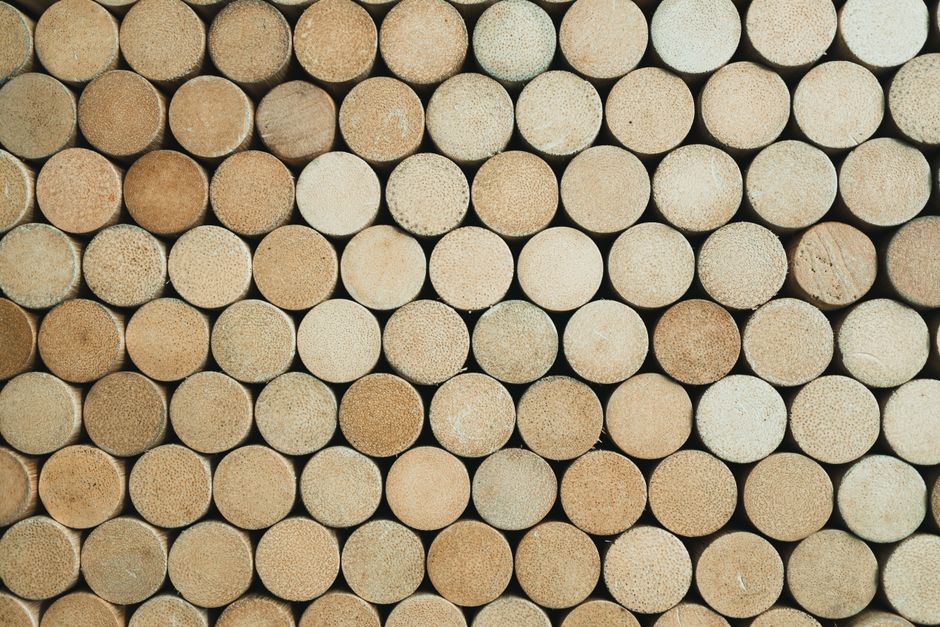
Cost is a critical factor in any construction project, and sustainable materials present a wide spectrum of initial and lifecycle costs. For instance, bamboo, a rapidly renewable grass, has gained attention for its affordability and strength. In certain regions, it is significantly cheaper than traditional hardwoods and even composite materials. However, its construction applications are limited by its dimensional stability and susceptibility to pests, requiring treatments to enhance durability. Similarly, rammed earth, using locally available soil, has minimal material costs but high labor expenses due to the intensive compaction process. These instances illustrate that cost assessments must include labor, maintenance, and potential repairs over time.
Moreover, energy-efficient materials, such as insulating concrete forms (ICFs), have higher upfront costs but can lead to substantial savings on heating and cooling bills over the building’s life. The additional insulation reduces energy consumption, which not only lowers operational costs but also reduces the environmental impact associated with energy use. Though the initial investment may be higher, the long-term economic benefits can be significant. Lifecycle cost analyses can help evaluate these trade-offs, taking into account not only material prices but also energy usage, maintenance requirements, and expected lifespan.
Performance and Applications Across Building Types
The suitability of a sustainable material often depends on its intended application. For residential structures, materials like straw bales and hempcrete offer excellent insulation and are relatively low in environmental impact. Straw bales, for instance, are an agricultural byproduct that can be used for non-load-bearing walls when properly stuccoed, providing high R-values. Hempcrete, made from hemp fibers and lime, is lightweight and offers good thermal and acoustic insulation, though it requires a structural frame. These materials are best suited for projects where a natural aesthetic and high insulation are prioritized, and where their limitations are addressed through proper design.
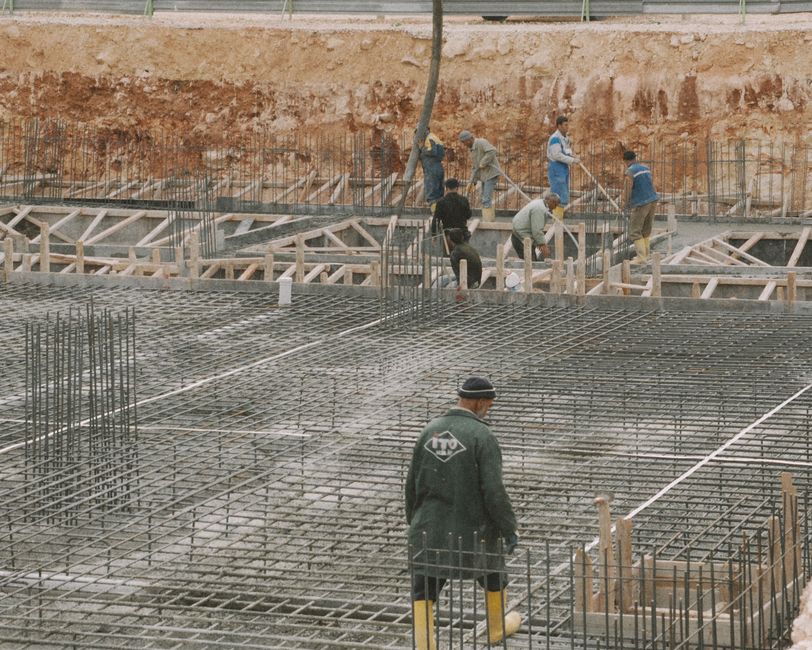
In commercial and industrial projects, the performance demands are often more stringent, requiring materials that can support heavy loads and meet fire safety codes. Concrete mixed with supplementary cementitious materials like fly ash or slag can reduce clinker content, lowering its carbon footprint. These additions can enhance long-term strength and durability, making them suitable for foundations, slabs, and exterior walls. Similarly, recycled plastic lumber and composites can be used in decking, cladding, and landscaping, offering resistance to moisture, insects, and rot, thus reducing maintenance needs. These materials might have higher upfront costs but can be more cost-effective over time due to their longevity.
Additionally, the location and climate play a significant role in material selection. In dry regions, materials like rammed earth or adobe provide thermal mass, helping to temper indoor temperatures by absorbing and releasing heat slowly. In humid or rainy climates, materials that are resistant to moisture, such as fiber-cement siding or metal roofing, are favored. The availability of local materials often influences both cost and environmental impact, as transportation constitutes a significant portion of a material’s embodied energy. Therefore, choosing locally sourced materials can be both economically and environmentally beneficial.
A careful evaluation of durability, cost, and performance reveals that no single sustainable material is universally superior. The optimal choice depends on the specific requirements of the project, the local context, and the long-term objectives of the builder and occupants.
In conclusion, the selection of sustainable building materials is a nuanced process that involves assessing environmental impacts, economic considerations, and practical performance. By understanding the trade-offs associated with various options, construction professionals can make choices that reduce environmental harm while still delivering functional and aesthetically pleasing buildings. The discussion above highlights some of the key factors to consider, but each project presents unique challenges and opportunities.
It is important to recognize that the implementation of sustainable materials is only one aspect of green building. The overall sustainability of a construction project also depends on design strategies, energy efficiency, water usage, and the health and well-being of occupants. Making informed decisions about materials is a significant step, but it is most effective when integrated into a holistic approach to sustainable construction. Ongoing research and innovation in materials science continue to expand the available options, offering more possibilities for environmentally responsible building practices.